Speech-to-Text Devices for Low Vision Users: Enhancing Communication and Productivity
Discover Advanced Assistive Tools for Individuals With Visual Impairments
The landscape of assistive modern technology for individuals with aesthetic disabilities is evolving quickly, presenting a series of innovative gadgets that improve freedom and involvement (Braille displays and notetakers). From clever glasses that flawlessly merge aesthetic input with acoustic assistance to innovative navigation applications that redefine spatial awareness, these tools are improving possibilities. The most current innovations in Braille modern technology and voice-activated systems considerably add to availability. The implications of these advancements prolong much past plain capability; they test standard assumptions of disability and independence. What might this mean for the future of inclusion and support?
Smart Glasses Innovations
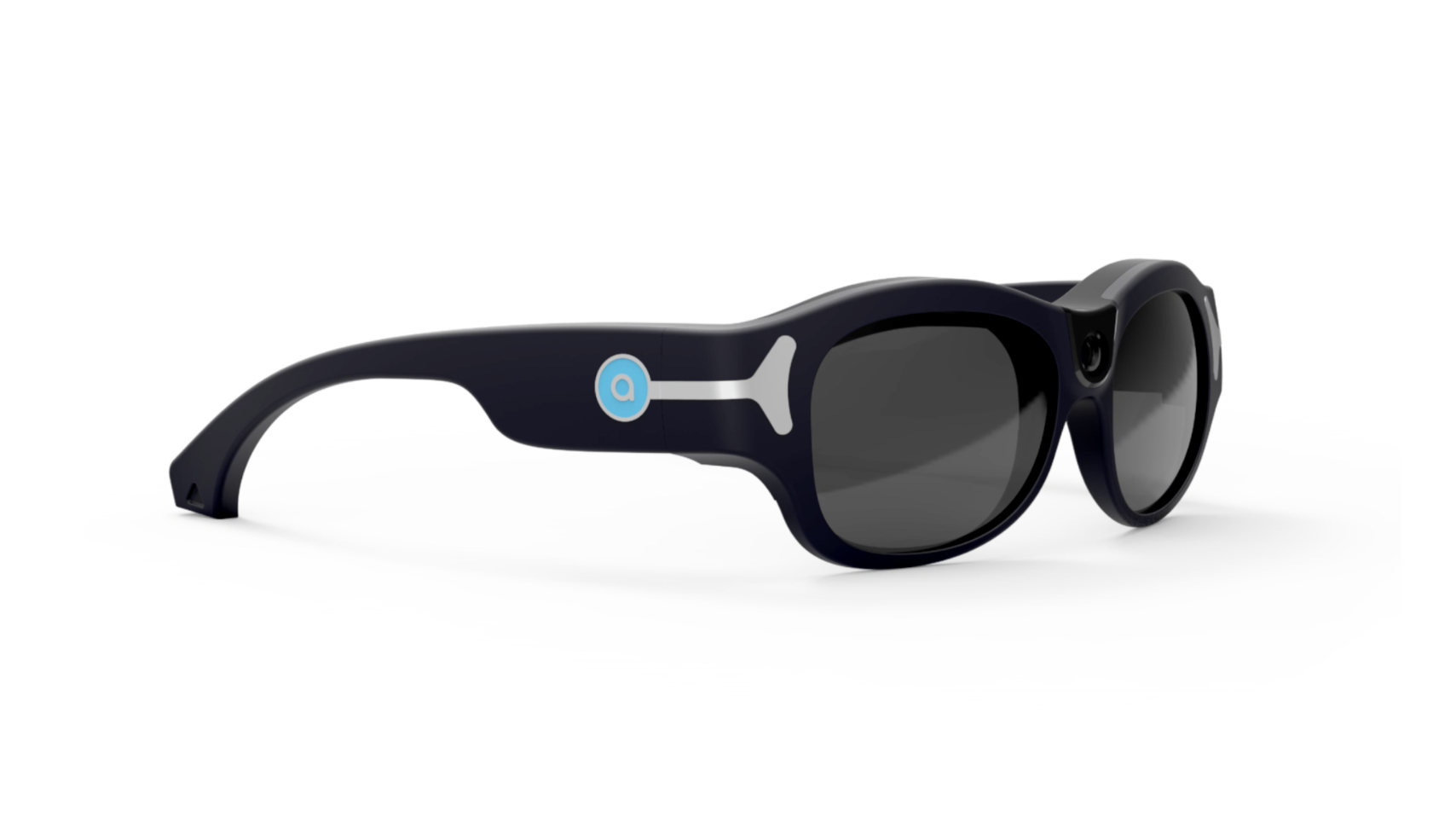
Smart glasses represent a substantial development in assistive modern technology for people with visual disabilities. Outfitted with video cameras and sensing units, wise glasses can record real-time visual information, which is after that refined and conveyed to the user with sound responses or haptic sensations.
Furthermore, improvements in fabricated intelligence have even more improved the abilities of clever glasses. Artificial intelligence formulas can recognize faces, read message, and recognize things, making them indispensable devices for day-to-day jobs. Customers can obtain acoustic signs that provide context regarding their setting, cultivating independence and self-confidence.
Additionally, the ergonomic design and lightweight nature of many smart glasses make them suitable for long term usage, ensuring convenience while boosting performance. As these gadgets remain to progress, they hold the prospective to revolutionize the way people with aesthetic impairments experience their day-to-day lives, linking the void between availability and modern technology. The recurring research study and advancement in this field assurance to increase the possibilities for smart glasses, making them an important component of modern-day assistive gadgets.
Navigation Application and Equipment
Various navigating applications and tools have arised as essential sources for individuals with visual problems, substantially enhancing their ability to go across strange settings. These innovations leverage general practitioner performance, audio cues, and real-time information to provide customers with accurate navigating help.
One prominent instance is the Aira app, which links users to skilled agents who can provide visual summaries of surroundings and navigating assistance via a live video clip feed. This service improves the customer's spatial awareness and self-confidence while navigating. One more remarkable tool is Seeing Eye GPS, which supplies voice-guided navigation and points of rate of interest, enabling individuals to accessibility crucial information regarding their environments.
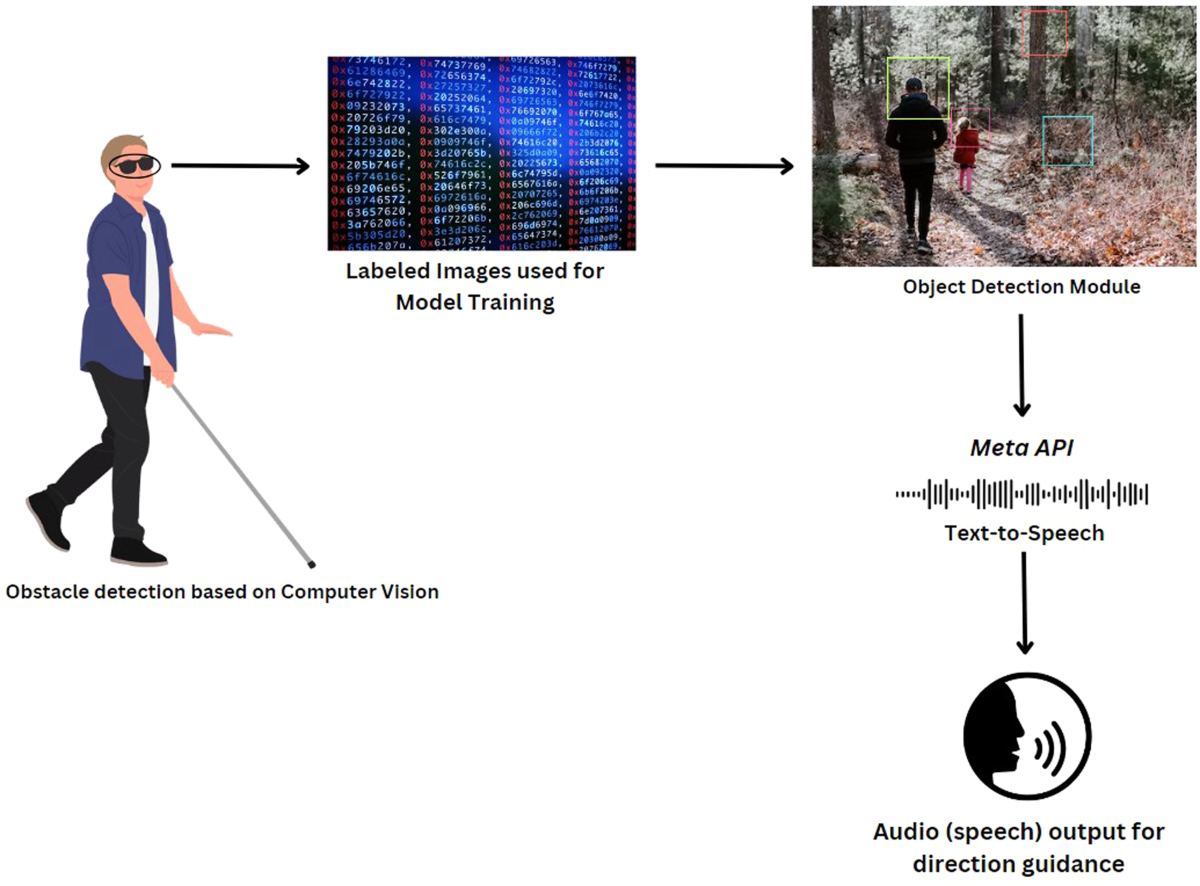
As innovation remains to advance, the advancement of a lot more sophisticated navigating tools guarantees to additional empower individuals with visual disabilities, facilitating seamless flexibility and assimilation right into varied atmospheres. Such technologies contribute in advertising a much more comprehensive society.
Braille Technology Innovations

In recent years, innovations in Braille innovation have dramatically transformed exactly how people with aesthetic impairments gain access to information and involve with the world around them. The development of portable Braille screens has actually revolutionized reading by enabling individuals to connect wirelessly to computer systems, tablet computers, and smartphones. These devices transform text right into Braille in real-time, making it possible for seamless interaction with electronic web content.
In addition, innovative Braille printers have read this arised, boosting the manufacturing of responsive materials. Modern embossers are quicker and much more efficient, permitting the rapid development of Braille files and educational products. This effectiveness decreases the moment and price related to generating Braille sources, making them a lot more available to companies and schools.
Additionally, the integration of Braille with other technologies, such as fabricated knowledge and equipment learning, has actually opened up brand-new opportunities for personalized learning experiences. Voice acknowledgment and synthesis technologies can enhance Braille, giving an inclusive technique to information dissemination.
As the need for comprehensive education and workplace settings expands, these technological advancements play an essential duty in encouraging individuals with aesthetic disabilities, ensuring my sources they have equivalent access to details and chances in various facets of life.
Wearable Tools for Independence
An expanding array of wearable tools is enhancing freedom for individuals with aesthetic disabilities, offering ingenious solutions that enhance navigation and daily living. Braille displays and notetakers. These gadgets utilize sophisticated technologies to supply real-time feedback and assistance, promoting autonomy in numerous environments

Wearable technology likewise includes smartwatches that can be configured with availability attributes, making it possible for users to receive notifications, track their locations, or even call for support with the touch of a button. Some devices incorporate artificial intelligence to assess the environment, offering sound descriptions of close-by items or people.
Voice-Activated Assistive Solutions
Leveraging voice-activated assistive services has transformed the landscape of support for people with aesthetic problems, supplying hands-free interaction and access to a variety of that site jobs. These modern technologies make use of natural language processing and expert system to make it possible for individuals to carry out everyday tasks with easy voice commands.
Moreover, current innovations in voice recognition accuracy have actually improved the individual experience dramatically, accommodating varied accents and speech patterns. This inclusivity makes certain that more individuals can take advantage of these technologies, promoting a better sense of autonomy.
Final Thought
In conclusion, the advancement of sophisticated assistive tools significantly improves the freedom and lifestyle for individuals with aesthetic problems. Innovations such as smart glasses, navigation applications, Braille modern technology, wearable devices, and voice-activated solutions collectively promote an even more comprehensive environment. These innovations encourage customers to browse their surroundings with confidence and engage more fully with the world, eventually advertising better access and equal opportunities for individuals facing visual difficulties.
The landscape of assistive modern technology for people with aesthetic impairments is advancing quickly, offering a range of ingenious gadgets that enhance autonomy and interaction.Smart glasses represent a considerable advancement in assistive technology for individuals with aesthetic problems. As these tools proceed to progress, they hold the prospective to reinvent the way individuals with aesthetic problems experience their everyday lives, connecting the gap in between availability and innovation.In recent years, advancements in Braille technology have actually substantially transformed how people with visual problems accessibility info and engage with the globe around them. These modern technologies encourage individuals to navigate their environments with confidence and involve more totally with the globe, ultimately advertising higher accessibility and equivalent chances for individuals dealing with aesthetic difficulties.